Women’s health needs can change throughout adulthood. Hormonal changes, stress, sleep problems, medications, medical conditions, and life transitions can affect energy, mood, libido, skin, and sexual wellness.
GetMDRx provides convenient access to licensed healthcare providers who evaluate eligible women’s health concerns online. Your provider reviews your symptoms, medical history, current medications, and personal goals before recommending an appropriate treatment plan.
Treatment may include prescription medication, customized hormone support, skin-care therapy, lifestyle recommendations, or additional testing when medically necessary.
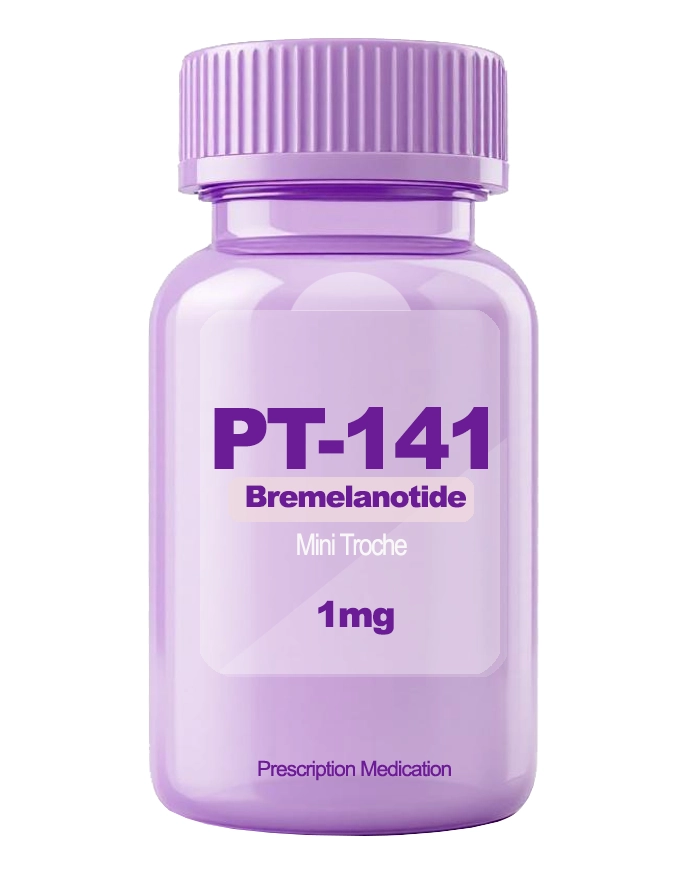
• Libido Support
Changes in sexual desire can be influenced by hormones, menopause, stress, sleep, medications, medical conditions, emotional health, and relationship factors. A licensed provider can evaluate possible causes and determine whether prescription treatment or another care plan may be appropriate.
• Energy and Sleep Support
Low energy and poor sleep may be associated with hormonal changes, menopause symptoms, stress, lifestyle factors, medications, or underlying medical conditions. Your provider can evaluate your symptoms and recommend treatment, testing, or lifestyle changes based on your individual needs.
• Prescription Skin Care
Online skin-care treatment may be available for acne, fine lines, uneven skin tone, dark spots, texture concerns, and other eligible conditions. Prescription products may include ingredients that support skin-cell turnover, reduce breakouts, or improve the appearance of discoloration.
• Hormone Support
Hormonal changes can affect sleep, energy, mood, skin, body composition, vaginal comfort, and sexual desire. A healthcare provider may recommend laboratory testing or treatment based on your age, symptoms, medical history, and stage of life.
• Sexual Health
Women may experience vaginal dryness, irritation, discomfort during sex, reduced arousal, or changes in sexual satisfaction. Treatment options depend on the cause and may include prescription medications, vaginal therapies, lubricants, moisturizers, or hormonal treatment.
Sexual desire naturally varies from person to person and may change over time. A persistent decrease in libido can sometimes cause personal distress or affect relationships.
Factors that may affect libido include:
A healthcare provider can review your symptoms, medications, hormonal history, and overall health to identify possible contributing factors.
Treatment for reduced sexual desire depends on the underlying cause. Some women may benefit from prescription medication, while others may need hormone support, vaginal treatment, medication adjustments, or care for sleep and emotional health.
Prescription libido treatments are not appropriate for every patient. Your provider will consider your age, menopausal status, current medications, alcohol use, medical history, and possible medication interactions before prescribing treatment.
Low energy and disrupted sleep can make it difficult to concentrate, exercise, manage stress, and maintain a healthy daily routine. Sleep problems may become more common during perimenopause and menopause, especially when hot flashes or night sweats interrupt rest.
Common energy and sleep concerns may include:
Low energy can have many possible causes, including poor sleep, anemia, thyroid conditions, nutritional deficiencies, medication effects, stress, depression, and hormonal changes. Laboratory testing or an in-person evaluation may be needed before treatment is recommended.
Treatment may focus on the condition contributing to fatigue or poor sleep. Depending on your evaluation, a provider may recommend hormone-related treatment, nonhormonal medication, sleep-habit improvements, stress management, nutritional changes, or additional medical testing.
Prescription sleep medications are not suitable for every patient and may carry risks. Always take medication exactly as directed by your healthcare provider.
Skin can change because of hormones, aging, sun exposure, stress, medications, and environmental factors. Prescription skin care may provide additional support when nonprescription products have not produced the desired results.
Online skin-care treatment may address:
A provider may prescribe topical treatment based on your skin type, symptoms, previous treatments, allergies, pregnancy status, and sensitivity to active ingredients.
Retinoid Treatments
Prescription retinoids may be used to treat acne, improve skin texture, and reduce the appearance of certain signs of aging. These treatments can cause dryness, peeling, redness, or increased sun sensitivity, especially when treatment begins.
Acne Treatments
Prescription acne plans may include topical medications that reduce clogged pores, inflammation, or acne-causing bacteria. The recommended treatment depends on the type and severity of the breakouts.
Dark-Spot Treatments
Prescription products may help improve the appearance of certain types of hyperpigmentation and uneven skin tone. Daily sun protection is usually an important part of a discoloration treatment plan.
Some prescription skin-care ingredients should not be used during pregnancy or while trying to become pregnant. Tell your provider about your pregnancy plans before beginning treatment.
Hormones help regulate many functions throughout the body. Changes in estrogen, progesterone, testosterone, thyroid hormones, and other hormones may affect physical comfort and overall well-being.
Possible signs of hormonal changes may include:
These symptoms are not always caused by hormones. A provider may recommend laboratory testing or additional evaluation to rule out other medical conditions.
Hormone treatment may be considered for eligible patients experiencing symptoms related to perimenopause, menopause, or another diagnosed hormonal condition.
Treatment may include estrogen, progesterone, or other therapies in oral, topical, transdermal, or vaginal forms. The recommended medication and dose depend on the patient’s symptoms, medical history, anatomy, age, and treatment goals.
Hormone therapy is not appropriate for every woman. Your provider will review personal and family medical history, including any history of blood clots, stroke, heart disease, liver disease, unexplained bleeding, or certain cancers.
Hormonal changes, menopause, medications, stress, medical conditions, and emotional factors can affect sexual comfort and satisfaction. Many women experience these concerns, but symptoms are often not discussed during routine healthcare visits.
Common sexual-health concerns may include:
Women experiencing vaginal dryness or discomfort may benefit from personal lubricants, vaginal moisturizers, prescription vaginal therapies, or hormone treatment. The best option depends on the cause and severity of the symptoms.
Low-dose vaginal hormone treatments may be prescribed for eligible women experiencing menopause-related vaginal or urinary symptoms. Nonhormonal prescription options may also be considered when hormone treatment is not appropriate or preferred.
Symptoms such as unusual discharge, odor, sores, pelvic pain, or urinary discomfort may indicate an infection or another condition that requires separate testing and treatment.
Before recommending treatment, a licensed healthcare provider will review your age, symptoms, menstrual and menopause history, allergies, current medications, pregnancy status, and relevant personal and family medical history.
Depending on the treatment requested, the provider may ask about your blood pressure, smoking history, migraines, sleep habits, emotional health, sexual symptoms, skin-care routine, and previous treatments.
Some treatment plans may require recent laboratory results. Your provider may recommend testing related to thyroid function, blood counts, vitamin levels, blood sugar, cholesterol, or reproductive hormones when clinically appropriate.
Online treatment is not appropriate for every condition. Seek prompt medical attention for severe pelvic or abdominal pain, chest pain, difficulty breathing, fainting, signs of a serious allergic reaction, or possible pregnancy complications.
An in-person evaluation may also be necessary for:
GetMDRx makes it easier for eligible women to request treatment for libido, energy and sleep, skin care, hormones, and sexual health from the privacy of home.
Complete a confidential online medical evaluation and have your information reviewed by a licensed healthcare provider. If treatment is medically appropriate, your provider may prescribe an available medication or recommend a personalized care plan.
Treatment results vary. Prescription medications and hormone therapies are not appropriate for every patient and should only be used under the supervision of a licensed healthcare provider.
Tell your provider if you are pregnant, planning to become pregnant, breastfeeding, taking other medications, or have a significant medical history before starting treatment.